A suit should complement its wearer’s proportions and daily requirements. At a tailor shop, individual measurements guide decisions about fit and comfort. Bespoke tailoring also gives clients greater control over fabric, lapel shape, pocket placement, and finishing details. These choices create clothing suited to professional settings and formal occasions. The result reflects personal taste rather than standard sizing.
Individual Measurements Shape A Better Fit
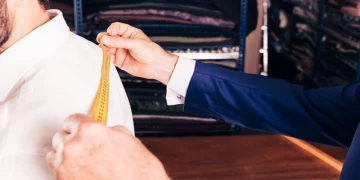
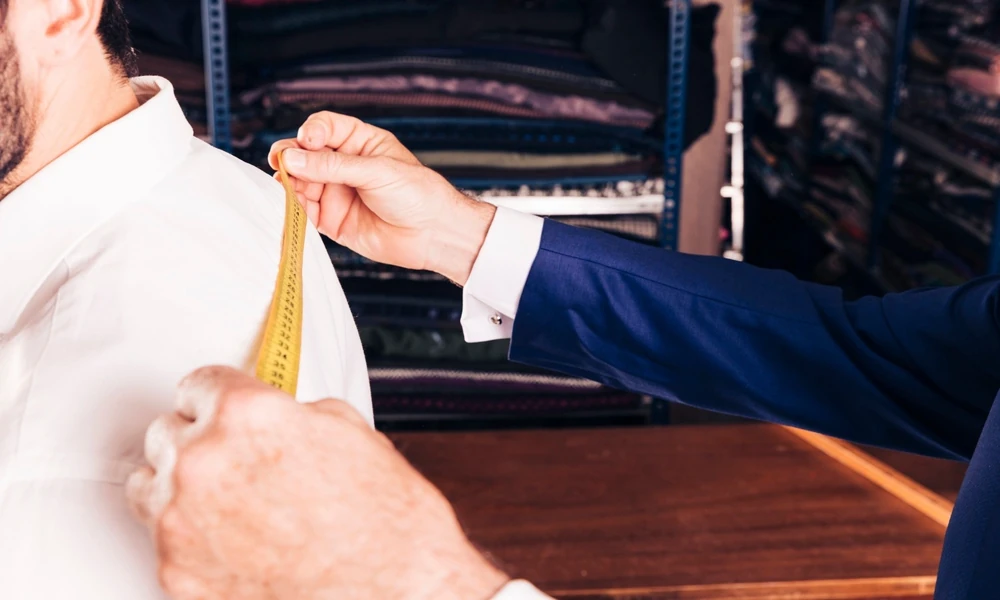
Standard suits follow predetermined size charts. Bespoke tailoring begins with measurements taken across the shoulders, chest, waist, and sleeves. A skilled tailor also examines posture and movement. These details help create balanced proportions without restricting everyday comfort. Adjustments reflect the wearer’s actual frame.
Which Details Define Personal Style?
Fabric and finishing choices influence a suit’s character. Clients can select details that complement existing wardrobes.
- Choose wool for year-round versatility.
- Select textured fabrics for distinctive character.
- Adjust lapels to suit personal preferences.
- Add functional pockets for daily essentials.
Each decision contributes to a cohesive appearance.
Fabric Selection Supports Different Occasions
Material affects appearance, comfort, and durability. A tailor shop can explain how fabric weight suits different climates and events. Lightweight wool works well for office settings. Heavier cloth offers structure during cooler months. Choosing suitable material helps a suit remain comfortable throughout long working days.
Can Bespoke Construction Improve Comfort?
Construction methods influence movement and garment balance. A properly positioned shoulder seam reduces pulling across the upper body. Sleeve adjustments support natural arm movement. Fitting sessions also identify tight areas before completion. Unlike standard sizing, bespoke work allows specific corrections throughout construction, producing a more considered result.
Personal Details Create Distinctive Suits
Individual preferences extend beyond measurements and materials. Thoughtful design choices can make formal clothing feel personal.
- Choose contrasting linings for subtle individuality.
- Specify button styles that complement fabric.
- Position vents according to movement needs.
- Select trouser breaks matching preferred footwear.
- Request monogramming for a personal finishing touch.
These elements distinguish custom clothing without sacrificing elegance.
A Signature Fit Changes Wardrobe Choices
A well-fitted suit can influence future clothing purchases. Once preferred proportions become clear, selecting shirts and shoes becomes easier. Consistent tailoring also helps establish a recognizable personal style. The value lies beyond appearance: each fitting teaches the wearer which details support confidence, comfort, and professional presence.
FAQs
What makes bespoke suits different from ready-made suits?
Bespoke suits are created around individual measurements and design preferences. Ready-made suits follow standard sizing and may require alterations.
How many fittings does bespoke tailoring require?
The number depends on construction methods and fitting requirements. Several appointments may be needed to refine proportions and finishing details.
Which fabrics work best for business suits?
Wool remains a versatile choice for professional clothing. Fabric weight and weave should reflect climate, comfort preferences, and workplace expectations.
Are bespoke suits suitable for everyday wear?
Yes. Durable fabrics and comfortable construction support regular use. Appropriate care helps preserve the garment’s shape and appearance.